
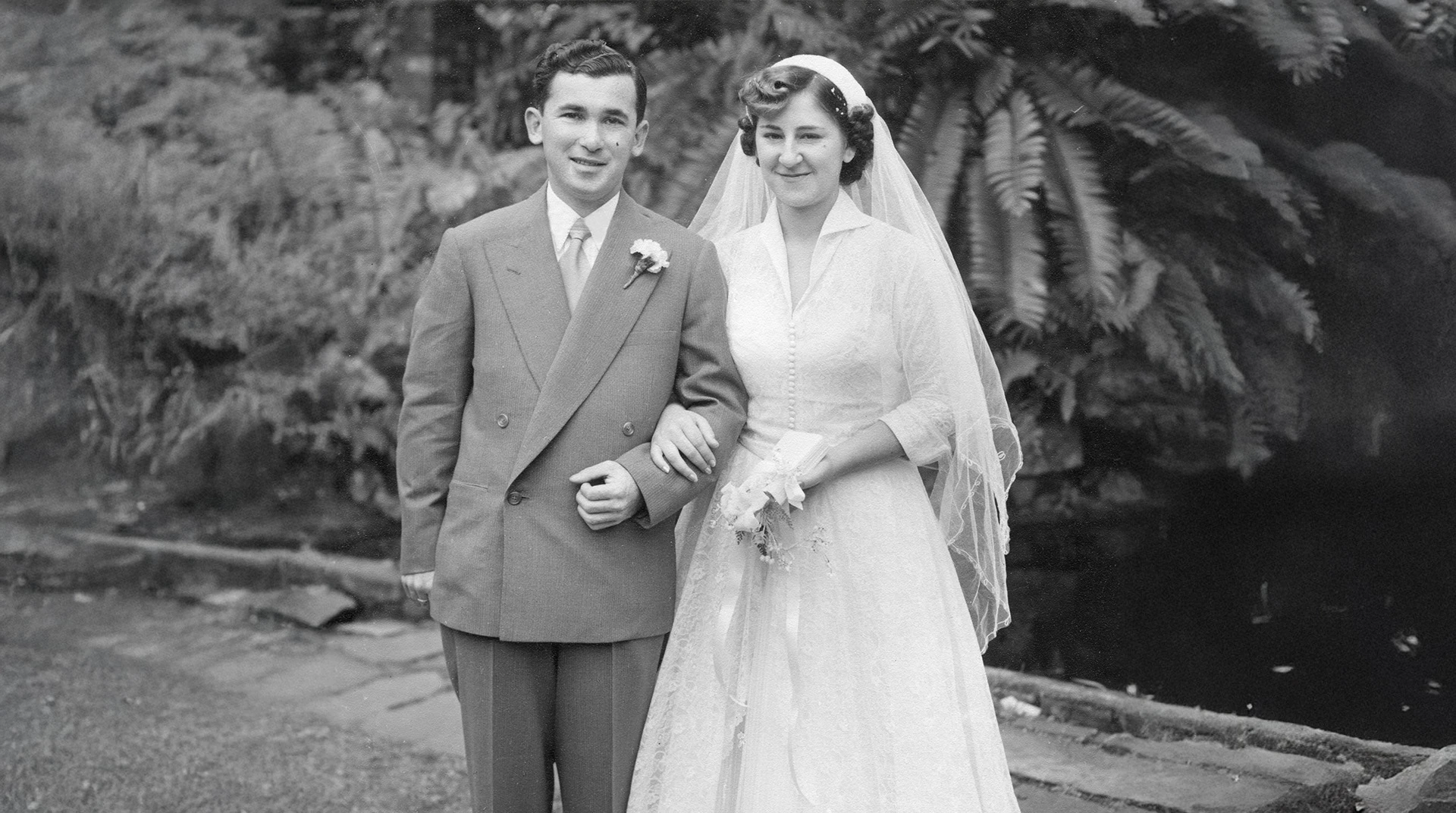
February is often called the month of love. We see it everywhere – flowers, hearts, promises, celebrations of togetherness. And yet, there is another side of love that is rarely spoken about especially when it comes to long marriages and ageing couples. Our parents were married for 56 years.
When we say our vows ‘for better or for worse’ , we usually imagine the obvious hardships: financial strain, illness, loss. What we don’t always acknowledge is the heavy responsibility those words can carry many years later when love begins to look very different from how it once did.
In the work we do, and through personal experience, we have seen how dementia can change the dynamic between spouses. It is a disease that does not just affect memory. It can alter behaviour, personality, patience and emotional regulation. A once-gentle partner may become confused, frustrated or even aggressive, not because they want to be but because the illness is speaking louder than the person they once were.
This is one of the most painful realities for couples who have shared a lifetime together.
What is often overlooked in these situations is the wellbeing of the primary caregiver who is very often the husband or wife. They carry the emotional weight of watching someone they love slowly change, while also managing the practical demands of daily care. Over time, the strain can become overwhelming. Fatigue sets in. Fear creeps in. And sometimes, safety becomes a concern.
These are not easy truths to face and difficult decisions have to be made.
From our own family experience, this reality became clear in a gradual way. As our dad’s condition progressed, our worry began to shift. We were concerned about him, of course, but we found ourselves worrying more and more about our mom. She was the main caregiver, carrying the responsibility day after day and she was becoming exhausted. The situation had become too much for her to manage on her own.
Placing our dad in a different environment where he could be cared for was not a failure of love. It was an act of love. It allowed mom to rest and be seen not only as a wife but as someone who also needed care and attention herself as she approached 80.
Sometimes the most loving decision is also the most heartbreaking one.
Separating a couple, even temporarily, can feel like breaking a sacred promise. But when dementia is involved, love must also include protection for both people. It means recognising that the disease is not the person and that keeping someone safe does not mean you love them any less. It was a difficult lesson to learn and an agonizing time for all of us four daughters and our mom.
If you are walking this road, you are not alone. Many families face these same impossible choices in silence, carrying guilt and grief alongside devotion. There is no perfect answer, only thoughtful, compassionate decisions made with everyone’s wellbeing in mind.
Love does not disappear when circumstances change. Sometimes it simply asks us to show up differently.
And that, too, is love.
